Every generation has its own language. For this generation, that language is creativity.
Creativity is how young people speak truth, solve problems, connect with each other, and turn struggle into strength. It is how an idea becomes a beat, a story, a business, or a movement.
Right now, creativity is not simply important. It is necessary.
The world our students are entering does not reward memorization alone. It rewards people who can imagine, adapt, communicate, and create. That is why creativity cannot be treated like a luxury in education. It is a practical skill for navigating the future.
Creativity Changes the Way Students Learn
We have seen it happen in real time.
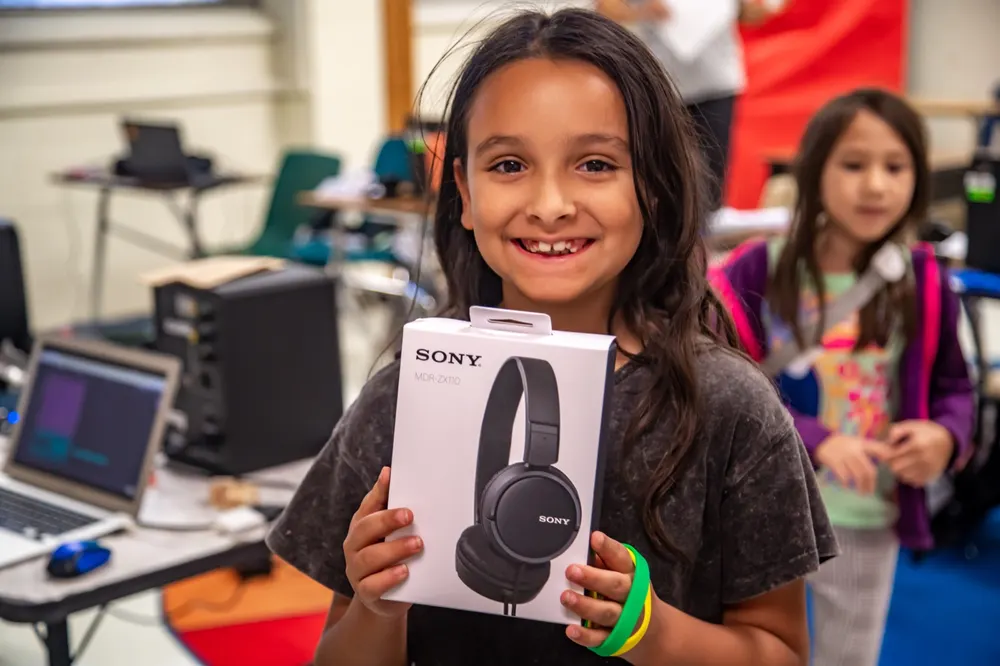
A student who struggles to sit still in a traditional class can spend hours in the lab designing sound. A student who says they hate writing begins journaling lyrics every night. A quiet thinker finds their voice through storytelling and production.
Creativity gives students another way into learning. It helps lessons feel natural, relevant, and alive.
That is what happens when we build culture inside education instead of treating culture as something that only exists outside the classroom. When learning is rooted in rhythm, purpose, identity, and personal connection, education can become transformational.
The goal is not to force every student to fit the same system. The goal is to build a system flexible enough to recognize how different students think, communicate, and grow.
The Future Rewards Creative Thinkers
Across education research and workforce reports, the direction is clear. Creativity, collaboration, adaptability, and emotional intelligence are becoming essential skills.
These are not extras to add after the academic work is finished. They are part of the foundation students need to perform, lead, and solve problems.
Consistent creative practice can strengthen focus, confidence, curiosity, and emotional awareness. Students learn how to stay with an idea, work through frustration, accept feedback, and make adjustments. They begin to understand that the first version does not have to be the final version.
That is resilience in action. It is also preparation for the real world.
Culture Building Requires Structure
Culture building takes more than a playlist and good intentions. It requires structure, guidance, and an environment that honors identity, voice, and imagination.
That is why we combine music, technology, leadership, and social-emotional learning in one ecosystem. We give students tools to create, then teach them how to use those tools to communicate, collaborate, and lead.
Culture is the bridge between education and relevance. It helps students see themselves in what they are learning.
When students recognize their community, heritage, interests, and creativity in the classroom, something shifts. They stop learning only to pass. They begin learning to express, build, and contribute.
Engagement can rise. Academic performance can improve. Classrooms can come alive because students are no longer just receiving information. They are creating with it.
That gives them ownership of their education and their identity at the same time.
Creativity Pays in Opportunity
We call creativity currency because it pays in opportunities that last.
Creativity can build careers, open doors, and teach self-worth. It connects generations, strengthens empathy, and brings new ideas into every corner of a community.
Urban education deserves that kind of power. Our students deserve curricula that speak their language while expanding what they believe is possible. They deserve teachers and learning environments that understand culture is not a distraction from education. It is often the foundation that makes education meaningful.
We do not only teach creative thinking. We teach creative living:
- How to build, communicate, and contribute with authenticity.
- How to see obstacles as opportunities to think differently.
- How to turn an idea into something that moves people.
- How to trust your voice and keep developing your craft.
Those skills matter far beyond music or art. They matter in technology, business, education, healthcare, entrepreneurship, and leadership.
Build Creators, Not Just Compliant Students
The world does not need more young people trained only to follow instructions. It needs creators. It needs innovators. It needs young minds unafraid to dream big, test ideas, and act on what they see.
That is why we show up every day.
We show up to build culture inside classrooms. To build community through creativity. To help students recognize their worth before the world gives them permission to see it.
When we invest in creativity, we invest in the future. When we build culture, we build possibility.
That is the kind of currency that never loses value.